book review · The Plague
The Plague
2025-11-30 · 3 min read
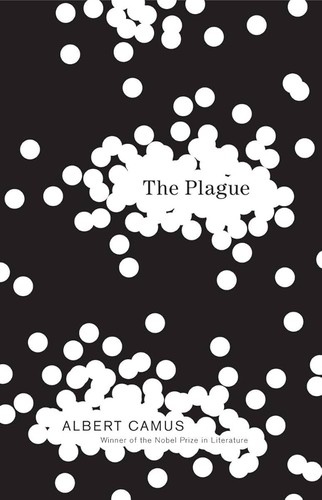
Rats start dying in the streets of Oran, then people start dying too, and the city gets sealed off from the outside world for the length of an epidemic nobody can predict the end of. That’s the entire plot, more or less, and Camus tells it in a detached, almost clinical register that a few readers find off-putting and that I think is actually the whole point, this isn’t a novel that wants you swept up in its characters’ feelings, it wants you to watch how ordinary people behave under sustained, faceless pressure.
Rieux the doctor is doing the real work of the book, not through anything dramatic he says but through the sheer stubbornness of continuing to treat patients he mostly can’t save, day after day, without any illusion that his effort will be rewarded with meaning. That’s the existentialist argument here, delivered through action instead of through a lecture, and it lands harder for staying implicit. I did find myself agreeing with the readers who note the book is more inconvenienced than terrorized in tone, the city under quarantine feels bureaucratically strange more than viscerally frightening, and there’s a real flatness to some of the female characters, more function than person, that a modern read notices more than a 1947 read probably did.
Grand’s subplot, the minor clerk endlessly rewriting the opening sentence of a novel he’ll never finish, sounds like a digression and isn’t, it’s Camus’s clearest joke about the absurd running parallel to the plague’s tragedy, and it’s the detail I find myself thinking about most between readings, longer after the ending than the plot itself. The prose is plain almost to a fault in stretches, uncomplicated sentences carrying a genuinely complicated argument, and that mismatch is either the book’s greatest trick or its biggest flaw depending which reviewer you ask. For me it’s the trick. There’s less to despise in people than there is to admire, Camus writes near the end, and the whole quiet, undramatic weight of the book is spent earning the right to say that plainly instead of as a slogan.