book review · Outline
Outline
2026-01-01 · 3 min read
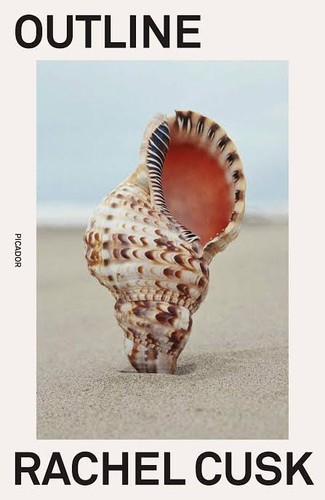
A woman named Faye flies to Athens to teach a short writing course, and across ten conversations, on the plane, over dinners, with strangers and colleagues, she mostly listens while other people talk about their marriages and their failures and their divorces. Cusk barely tells you anything about Faye directly. You get her only by the shape she leaves in other people, the way sonar maps a coastline by where the signal doesn’t come back.
I can see exactly why this won the acclaim it did and I can also see exactly why a chunk of readers bail before the end. The prose is genuinely excellent sentence by sentence, sharp and unsentimental in a way I underlined more than I usually bother to, and Cusk resists any authorial editorializing, letting every monologue stand without commentary so you’re doing the interpretive work yourself. That’s also the problem for me. By the fifth or sixth stranger’s monologue about their marriage falling apart, I started losing the thread of who was talking, the voices didn’t differentiate themselves enough for a book built entirely on other people’s voices, and what should read as accumulating insight started reading as repetition instead.
There’s a real idea at the center worth sitting with, that you can know someone more by the outline they trace around an absence than by anything they say directly about themselves, and the title is doing exactly that work, this whole book is a series of outlines rather than a filled-in picture. I liked the individual conversations more than I liked the book as a sustained experience, a few of them, the neighbor on the boat trip especially, are genuinely sharp studies of a person in crisis. But strung together across two hundred pages the technique started to feel like the point had already been made by page eighty and the rest was demonstrating it again with different names.
Worth reading for the sentences alone. I wanted a little more forward motion than the format was built to give me, and I don’t think that’s an unfair thing to want from a novel, even an experimental one.